
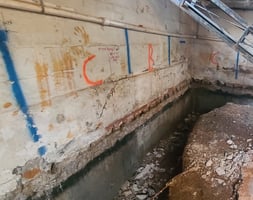
Excessive and persistent moisture in your basement is not just a nuisance—it can lead to serious...
Why "Waterproof" Paint Is the Absolute Worst Thing You Can Put on a Concrete Wall
It looks like the ultimate weekend win. You walk into your local hardware store, spot a shelf lined with heavy-duty "waterproof" basement paint, and think, Perfect. For less than fifty bucks and an afternoon of rolling, I can seal up these damp concrete walls and finally protect my basement.
You apply a thick, clean coat. The damp smell vanishes, the walls look pristine, and you feel like a home improvement genius.
But behind that fresh, rubbery layer of paint, a structural disaster is quietly brewing.
According to concrete specialists and structural engineers, applying waterproof paint to the interior of a damp basement wall is one of the worst things a homeowner can do. Far from saving your basement, you have just built a trap that forces your foundation to slowly eat itself.
The Sponge Illusion: Why Concrete Must "Breathe"
To understand why waterproof paint is so dangerous, you have to stop thinking of your basement walls as solid, impenetrable barriers.
In reality, concrete is a highly porous material—essentially a dense, stone-like sponge. It is full of microscopic capillaries that naturally absorb water from the surrounding earth. Because of this, moisture is constantly traveling through your foundation walls in a process called capillary action.
Normally, this moisture reaches the interior face of the wall and harmlessly evaporates into the basement air (where a dehumidifier or proper ventilation can manage it).
When you slap a layer of waterproof paint on the inside, you disrupt this natural cycle:
Instead of evaporating, the water is held hostage inside the concrete. It has nowhere to go.
The Silent Destroyer: Hydrostatic Pressure and Spalling
As more water enters the concrete from the outside and meets your impassable paint barrier, two destructive processes begin:
1. The Internal Salt Attack (Efflorescence & Spalling)
Groundwater is packed with dissolved minerals and salts. As the water pushes through the concrete and gets trapped right behind the paint, the moisture slowly evaporates through tiny imperfections, leaving the salt crystals behind.
As these salt crystals grow, they expand with immense force inside the concrete pores. This process, called spalling, literally pushes the concrete apart from the inside, causing it to flake, crack, and turn to powder behind your beautiful paint job.
2. Hydrostatic Pressure Accumulation
Water is incredibly heavy. When it pools inside the hollow cores of concrete masonry blocks with no way to escape, the weight builds up. Over time, this hydrostatic pressure will:
- Cause the waterproof paint to bubble, blister, and peel off in ugly, water-filled sacks.
- Weaken the structural mortar joints holding your foundation blocks together.
- In colder climates, freeze and expand, creating massive structural cracks.
The Reality Check: Waterproof paint doesn't stop water from entering your foundation; it only stops you from seeing the damage it's doing until it is too late.
How to Actually Protect Your Foundation
If waterproof paint is a trap, how do you handle a damp basement wall? You have to shift your strategy from blocking the water to managing it.
- Let It Breathe: If you must paint your basement walls, use a highly breathable, vapor-permeable masonry paint, not a rubberized elastomeric sealer.
- Relieve the Pressure: The gold standard of basement dry-out is an interior drainage system (like a French drain) installed along the footer. This accepts the water as it drains through the wall and directs it safely to a sump pump, preventing pressure buildup.
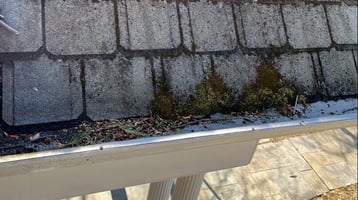
- Fight Water at the Source: Go outside. Ensure your gutters are clean, your downspouts discharge at least 10 feet away, and your yard slopes away from the foundation. If water never pools against the outer wall, it can't trap itself on the inside.

Have a topic you'd like us to cover? Let us know below.